Disability Pride Month takes place each year in July. I follow a lot of other accessibility professionals and disability activists and either learn a lot or experience validation (or both) from their posts, especially during the month of July. One post I came across recently really had me nodding my head. Celia Chartres-Aris and Jamie Shields reached out to disabled people around the world for ‘The BigAbleism Survey.’ They asked participants how they really felt about ableism, how ableism affected them, how they dealt with internalized ableism and more.
95% of disabled people have experienced ableism
99% of disabled people believe that non-disabled people need more training and education on Ableism.
Only 1.5% of disabled people have never experienced internalized ableism.
Only 6.6% of disabled people have never experienced mental health challenges as a direct result of their disability.
Update: The unlearning ableism site that hosted the full report is no longer available. However, the same folks do have an Unlearning Ableism podcast.
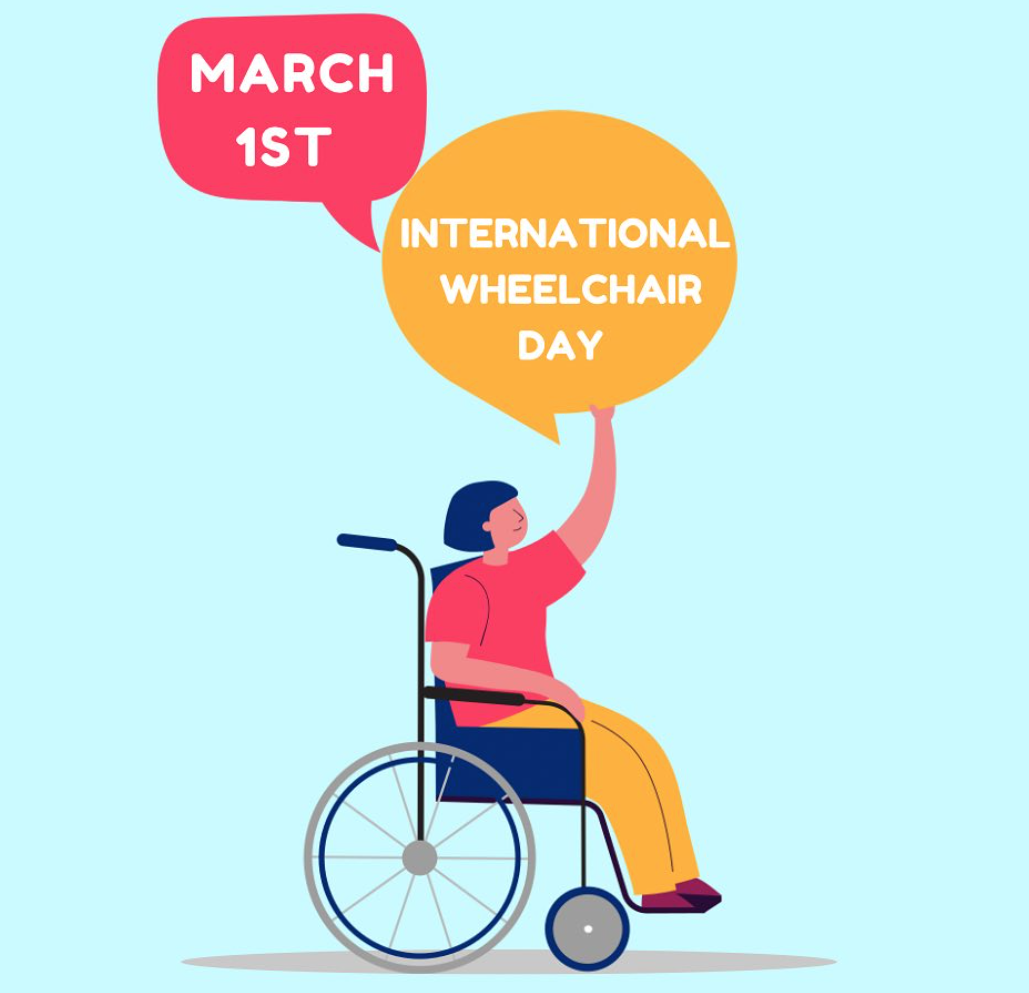
To enable wheelchair users to celebrate the positive impact a wheelchair has in their lives so that they can access employment, participate in the community, get involved in social activities and more.
To celebrate the great work of millions of people who provide wheelchairs, who provide support and care for wheelchair users and who make the world a better and more accessible place for people with mobility issues.
To acknowledge and react constructively to the fact there are many tens of millions of people in the world who need a wheelchair, but are unable to acquire one.
Progress
In 2023, many wheelchair users took to social media. They expressed the impact their mobility devices have on their freedom and quality of life. Here are 10 of their reflections. Last year I was also introduced to a cool company called Izzy Wheels. Founded by two sisters who creates cool wheelchair covers so that wheelchair users can customize their look.
In the past, I’ve also posted about off-road wheelchairs being made available in public parks. From those in my own state of Minnesota, to the beaches of Oregon and beyond. Unfortunately wheelchair users still face many frustrations. Especially when traveling by air.
Problems
Last Fall, a video went viral of an American Airlines baggage handler. Showing a passenger’s wheelchair sliding down a jet bridge chute. It crashed into a metal barrier, flipped over and tumbled onto an airport tarmac.” Sadly, this is not an uncommon occurrence.
In 2022, the 10 largest U.S. airlines lost, damaged or destroyed more than 11,000 wheelchairs and scooters, according to the Department of Transportation. That represents 1.5% of all wheelchairs and scooters boarded onto planes.
When an airline damages, loses, or delays a passenger’s wheelchair, it is a significant problem. It endangers that person’s health and can seriously limit their mobility and independence. Just last month, U.S. Transportation Secretary Pete Buttigieg announced a new proposed rule from the U.S. Department of Transportation (DOT) that would ensure airline passengers who use wheelchairs can travel safely and with dignity. This proposed rule would be the biggest expansion of rights for passengers who use wheelchairs in the United States since 2008.
Potential Solutions
The proposed rule would take major actions in three key areas:
Penalties and remedies for wheelchair mishandling
Safe, dignified, and prompt assistance
Improved standards on planes
It’s unclear if this was prompted by Senator Duckworth’s MOBILE Act from 2023. Whatever the case may be, I hope for an outcome that will lead to more accountability and accessibility for travelers with disabilities.
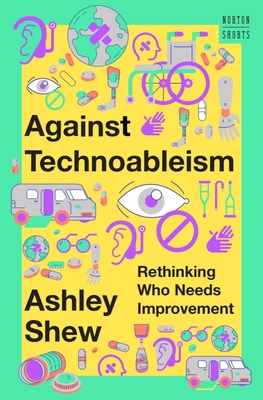
When bioethicist and professor Ashley Shew became a self-described “hard-of-hearing chemobrained amputee with Crohn’s disease and tinnitus,” there was no returning to “normal.” Suddenly well-meaning people called her an “inspiration” while grocery shopping or viewed her as a needy recipient of technological wizardry. Most disabled people don’t want what the abled assume they want—nor are they generally asked. Almost everyone will experience disability at some point in their lives, yet the abled persistently frame disability as an individual’s problem rather than a social one.
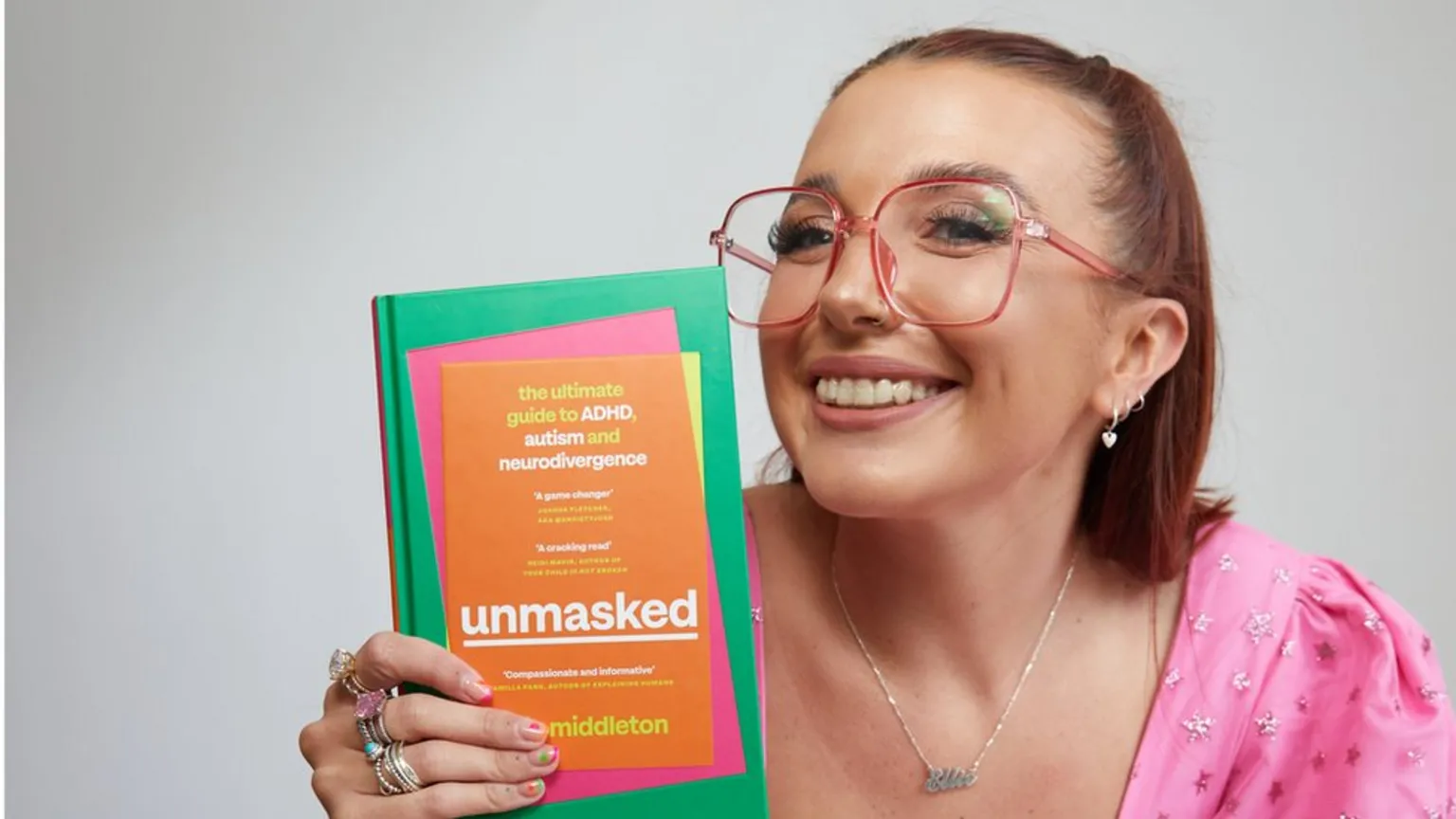
Skipping back to October, a couple of significant things occurred. After years of wondering, I was formally diagnosed with autism and ADHD. On the same day I had my final session with my fantastic clinician, a book I pre-ordered arrived. And, in the most ADHD move ever, another copy of the same book showed up the next day. Apparently, I’d pre-ordered it two days in a row without realizing it. That book was Unmasked: The Ultimate Guide to ADHD, Autism and Neurodivergence by Ellie Middleton. Thankfully, I was able to give the second copy to a friend who has been pondering her own neurodivergence.
“Learning the way my brain works has changed everything for me,” she says, and describes herself as almost being a poster girl for what can happen when you get the answers you need.
Today is International Day of Persons with Disabilities (IDPD); a United Nations day that is celebrated every year on the 3rd of December. The theme for 2023 is ‘United in action to rescue and achieve the sustainable development goals for, with and by persons with disabilities.’
Given the multiple crises we are facing today, the world is not on track to reach numerous Sustainable Development Goals (SDGs) targets by 2030. Preliminary findings from the forthcoming UN Disability and Development Report 2023 indicate that the world is even more off-track in meeting several SDGs for persons with disabilities.
Our efforts to rescue the SDGs for, with, and by persons with disabilities, need to be intensified and accelerated, given that persons with disabilities have historically been marginalized and have often been among those left furthest behind.
A fundamental shift in commitment, solidarity, financing and action is critical. Encouragingly, with the adoption of the Political Declaration of the recent SDG Summit, world leaders have recommitted themselves to achieving sustainable development and shared prosperity for all, by focusing on policies and actions that target the poorest and most vulnerable, including persons with disabilities.
Provide two modern communication options always. Online and in person.
Avoid assumptions and ask. Meryl’s example: Getting me an ASL interpreter without asking will deprive someone else who needs the interpreter. There’s a shortage of interpreters. Let’s make sure the right people have access to them.
Understand one person does not represent an entire disability category.
Involve people with disabilities from start to finish and beyond. Pay them for their time. Turning off the sound does not mimic the experience of a person who depends on captioning every day. Refer to No. 4 as companies and product development often make assumptions.
Hire qualified people with disabilities. Data shows that people with disabilities tend to be the most loyal and best workers who bring in more revenue for companies who hire them. The hiring process needs to change.
Make progress with accessibility every day. It can be small steps like adding alternative text (image descriptions) to images. Make captions part of your video creation process.
Skip using overlays on your website to fix accessibility. This isn’t making progress. It’s a step backward.
Avoid hiring speakers who know little about accessibility and disabilities. Some people with disabilities aren’t qualified to speak on these topics.
Ensure XR, virtual reality, and augmented reality are accessible.
National Disability Employment Awareness Month just ended, but it’s on my mind all year long. I’m making this post in the hope that it will help someone else. Or help some folks better understand me and my non-apparent disabilities.
Misophonia
The most recent episode of The Allusionist podcast hits home for me. It tackles two topics I identify with: misophonia and alexithymia. I’ve always been more sensitive to sensory input (sounds, scents, visuals – especially flashing lights and shaky cam). Over a decade ago I made the connection with misophonia for my auditory issues. All the pieces are falling into place now that I’ve finally been diagnosed with both autism and ADHD. If I ever snapped at you or seemed preoccupied during a meal, or when you were maybe drumming on the back of the car seat I was sitting in (hello my musician friends), this is why.
being over-responsive to sensory information, more tuned into sensory information, and more likely to apply meaning or context to sensory information, and that is really a very common feature in both autism and ADHD and therefore it predisposes that person to develop misophonia
I’ve particularly struggled with the sounds of other people eating. I lived with one partner who clanged cutlery against his teeth and it absolutely enraged me, which made me feel awful. Then I worked for a company that had a cafeteria and expected employees to sit together to eat lunch. The acoustics and lighting in the space were so overwhelming it nearly brought me to tears. I opted to take a daily lunch walk instead and quickly eat at my desk afterward. I’ve developed these coping methods over the years. Avoidance or noise canceling headphones are my main tools.
Alexithymia
Alexithymia is the thing I don’t have a handle on yet. I remember being frustrated when a therapist would ask me to describe my feelings or where in my body I felt them. I have no idea. But now I know *why* I have no idea.
“Alexithymia is a neuropsychological phenomenon characterized by significant challenges in recognizing, expressing, and describing one’s own emotions. It is associated with difficulties in attachment and interpersonal relations. While there is no scientific consensus on its classification as a personality trait, medical symptom, or mental disorder, alexithymia is highly prevalent among individuals with autism spectrum disorder (ASD), ranging from 50% to 85% of prevalence.”
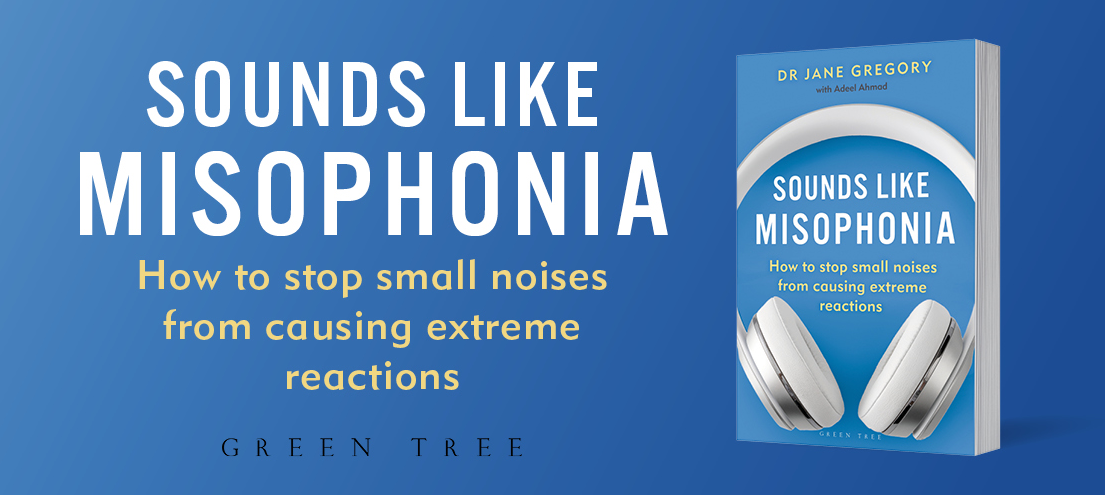
The Book
This book contains everything I wish I’d known when I was a teenager, hiding a giant whirring walkman in the pocket of my school uniform so that I could block out the sounds of my classmates clicking through all the colours in their four-pens. It’s not just coping strategies (although there are plenty of those), it’s also full of ideas to help your brain make new associations with sounds, which brings down the intensity of your reactions. I cover some of the exciting research that’s happening in the world of misophonia, connect you with your inner miso child, help you deal with big emotions and embrace the meerkat within. Adeel Ahmad shares stories from our volunteers who worked through the book while it was being written. There are several out-of-date pop culture references, and you’ll be happy to hear that my editors and early readers very firmly encouraged me to remove the rest of them.
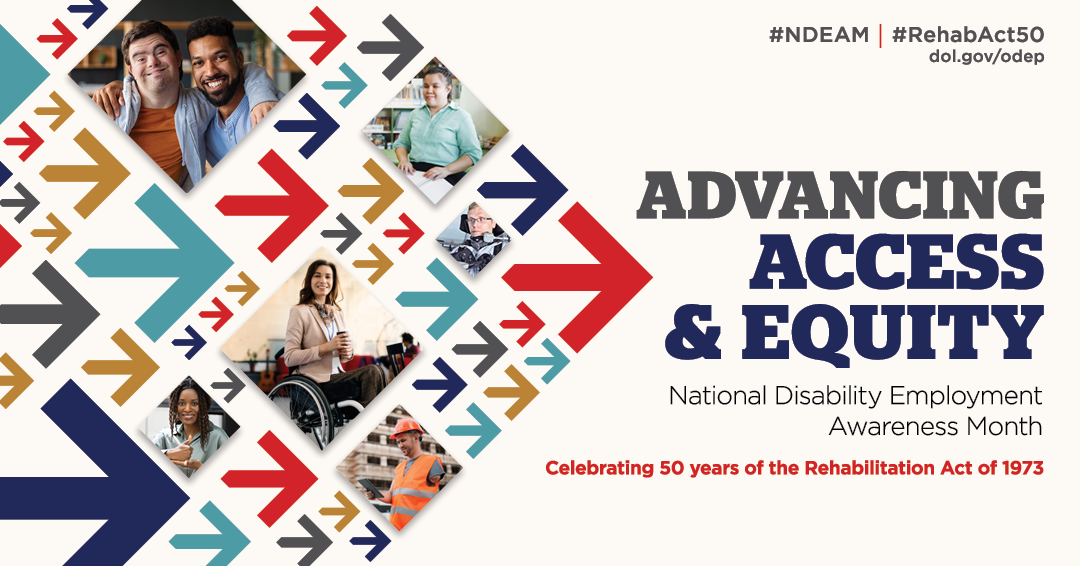
Somehow it’s already November. But every October, it is National Disability Employment Awareness Month (NDEAM). This celebrates the contributions of America’s workers with disabilities. And showcases supportive, inclusive employment policies and practices that benefit employers and employees. The Office of Disability Employment Policy (ODEP) chose “Advancing Access and Equity” as the theme for NDEAM 2023.
I shared these resources within my company at our monthly Accessibility Community of Practice meeting:
I also shared the good news that civil rights litigator Karla Gilbride was sworn at the U.S. Equal Employment Opportunity Commission. The role was vacant as she waited a year and a half to be confirmed. She will lead the EEOC’s critical litigation efforts on behalf of workers accusing their employers of discrimination based on race, sex, age, disability, and other characters. Gilbride is blind and the first person with a known disability in the role of general counsel at the EEOC. This is in line with our “Nothing About Us Without Us” motto and I’m glad of it.
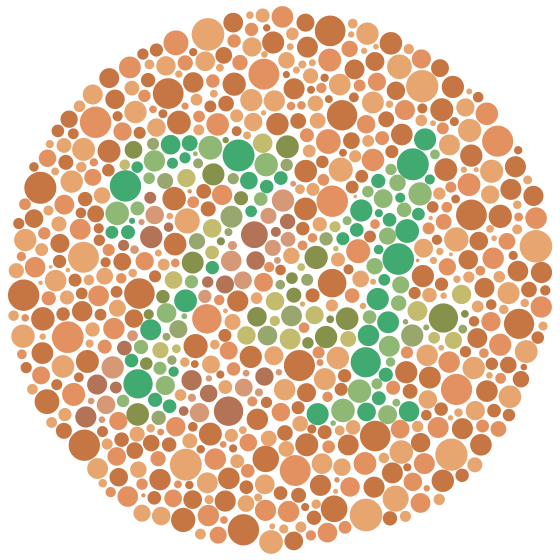
Color blindness impacts 1 in every 12 men and 1 in every 200 women. Most color blindness is inherited genetically. People often become aware of their condition in childhood. However, some people may not realize they are color blind simply because they are not aware that others see color differently. That’s where testing comes in. There are a number of color blind tests online. Eye doctors can also administer testing. The most common type of color deficiency test is the color plate test.
Color contrast between text and background is important. It affects many people’s ability to perceive the information. Colors with poor contrast will increase the difficulty of navigating, reading, and interacting with websites and apps. Good design includes sufficient contrast between foreground background and colors. Not just for text but also for images links, icons, and buttons. This is an evergreen (pun intended) post about the importance of color contrast in digital accessibility.
Some fun news for a Friday! Writer and wheelchair user Sophie Morgan enjoyed the first wheelchair-accessible safari in South Africa’s Klaserie National Park. “The African bush and all of its delights are just waiting to linger in the memories of those who are able to experience her. Now, the world’s first luxury wheelchair-accessible safari is ensuring that privilege can belong to everyone.”
In my home state, our Great Minnesota Get-Together (State Fair) started just yesterday, Thursday August 24th, 2023. And runs through Labor Day, September 4th, 2023. This year they’ve made some improvements to make it even more inclusive. Their accessibility guide provides information about:
Mobility options, including electrical outlets for recharging electric mobility scooters
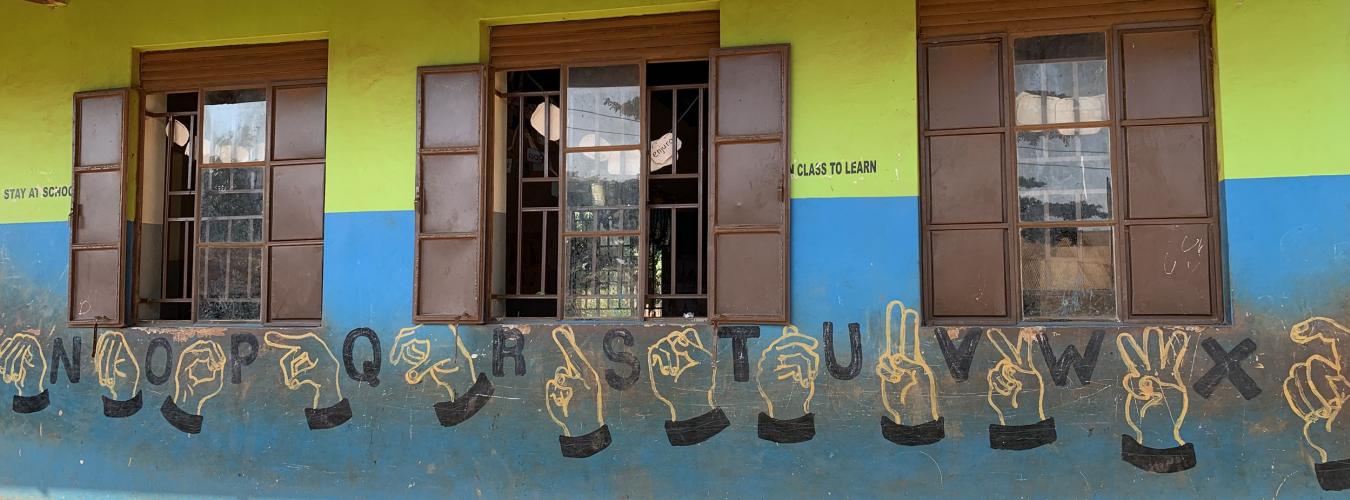
ASL interpreting services
Captioning services
Audio description services
Sensory friendly visits
Service animals
Last month was Disability Pride Month. It’s a time for us to celebrate within the disability community, sure. But also to put the spotlight on some challenges we face. In the case of athlete Alex Parra, it is the high cost of athletic prosthetics:
When I was told that a running blade was going to cost $35,000 I thought I was never going to be able to run again. My life changed when I received my running blade from the Challenged Athletes Foundation. Not from my medical provider or from the help of insurance but from a non profit that was willing to help
As time went on I realized there needs to be change so I wanted to bring awareness to the disability community and how much that we have to spend on any disabled equipment or medical devices that we NEED.
So I wanted to run a Marathon on crutches. Although I didn’t finish the 26 miles (16 miles total) I was still able to accomplish something that I never thought I would’ve been capable of doing
This would not have been possible without everyone’s love and support along the way so truly from the bottom of my heart thank you. With your help we have been able to raise a total of $2500 and bring change along the way!
Disability Pride Month is celebrated every July. It is an opportunity to celebrate the Americans With Disabilities Act. July 26th will mark the 33rd anniversary of the Americans with Disabilities Act. A lot has happened since the ADA was signed into law. In theory it prohibits discrimination against people with disabilities in several areas, including employment, transportation, public accommodations, communications and access to state and local government’ programs and services. Unfortunately, we have a long way to go in practice. 33 years later we have Section 752 of the Consolidated Appropriations Act of 2023. This signals a new chapter in the pursuit of digital accessibility for federal agencies.
“The federal government can be the exemplar and catalyst for private- and public-sector accessibility by continuing to prioritize the employment of people with disabilities while providing the appropriate accessible infrastructure that facilitates our success.”
Anil Lewis, executive director of blindness initiatives for the National Federation of the Blind
In my last post I mentioned that June is National Migraine and Headache Awareness Month. After, I began physical therapy with a PT who specializes in headaches, and stayed overnight in a sleep lab. That visit confirmed my sleep apnea and need to look into Continuous Positive Airway Pressure (CPAP) machines and CPAP alternatives. There have been other big accessibility topics this month.
How tactile graphics can help end image poverty. Access to rich imagery shouldn’t be something that blind or low-vision people have to do without. These projects are helping.
In new-to-me news, I came across Japan’s Restaurant of Mistaken Orders. “A slightly unusual restaurant that was created to promote understanding of dementia and to spread kindness all over the world.” The idea caught on in England. The British version is The Restaurant That Makes Mistakes and became a reality TV show.